
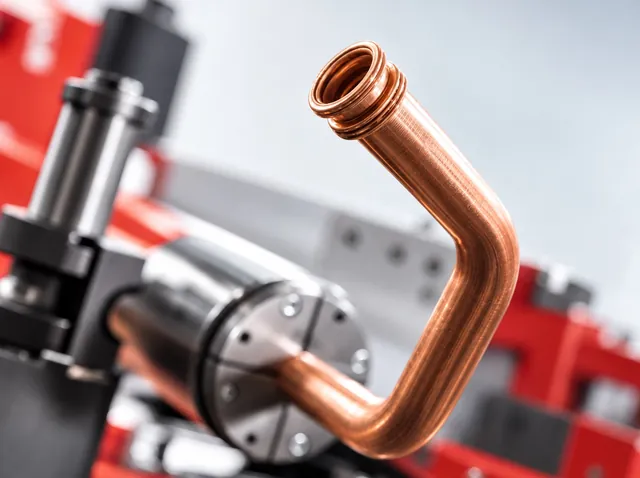
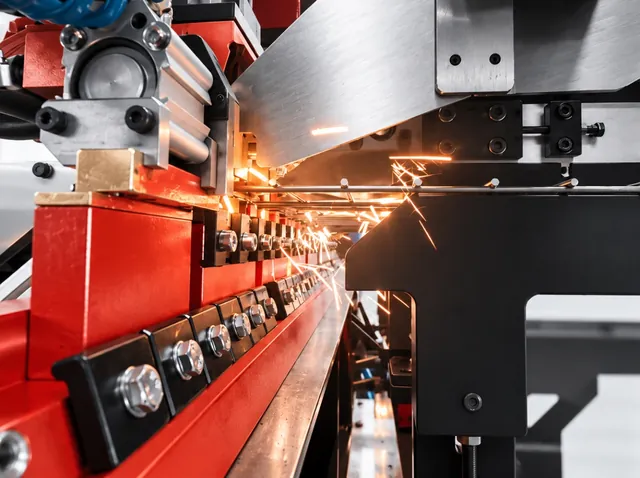
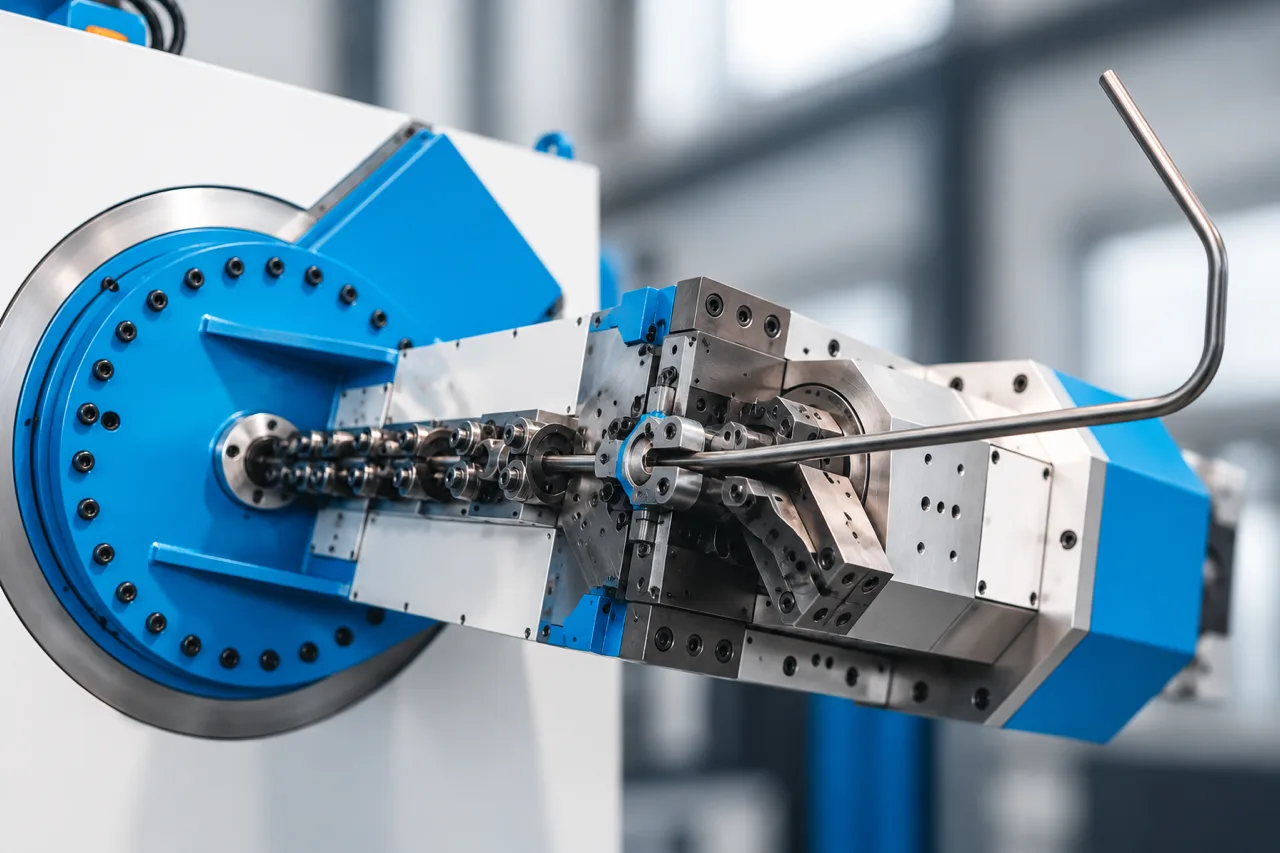
Cutting, bending, end forming and automation for processing structural tube and profile in industrial production.
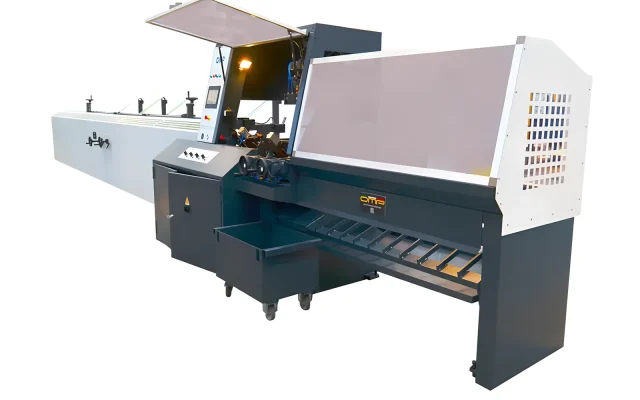
MACC
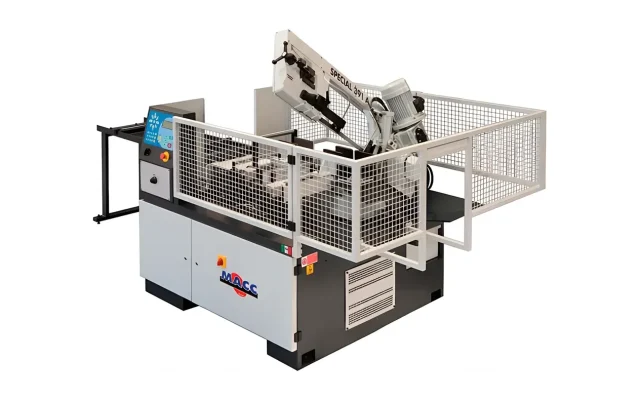
Special 391 A
- Hierro / Inox
- Automática
MACC
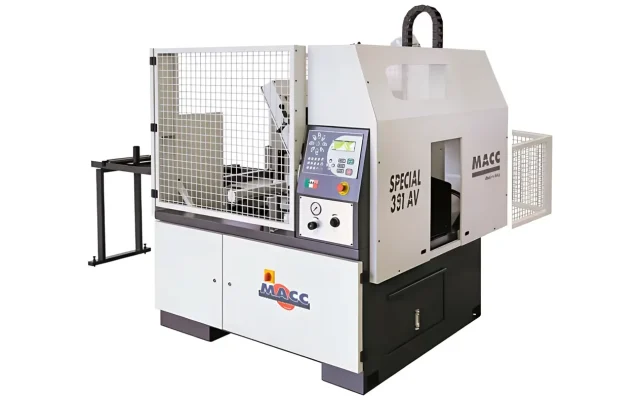
Special 391 AV
- Hierro / Inox
- Automática
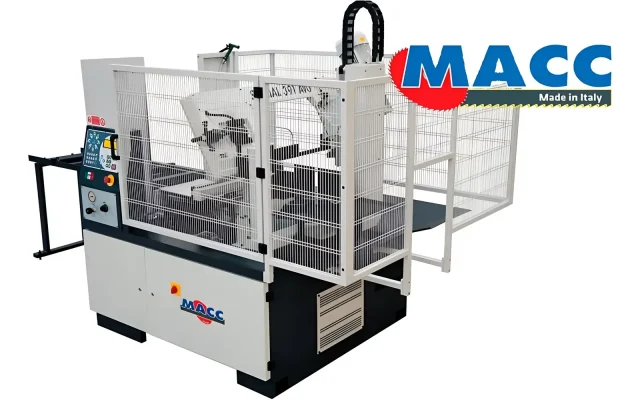
MACC
Special 391 AVG
- Hierro / Inox
- Automática
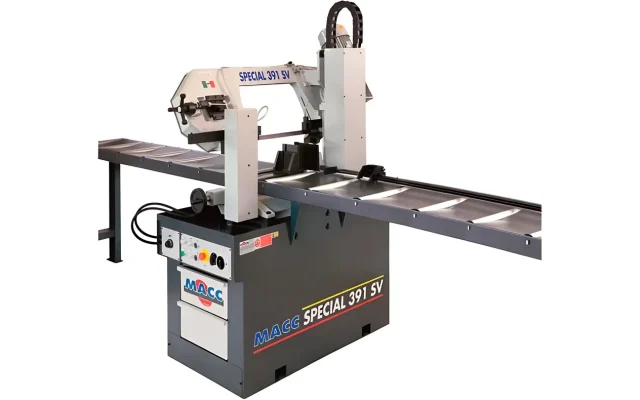
MACC
Special 391 SV
- Hierro / Inox
- Semiautomática
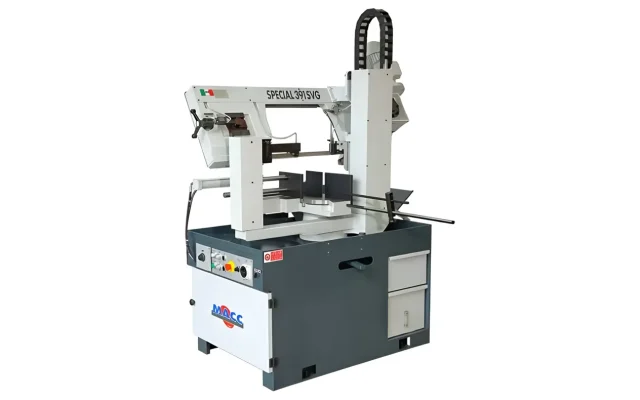
MACC
Special 391 SVG
- Hierro / Inox
- Semiautomática
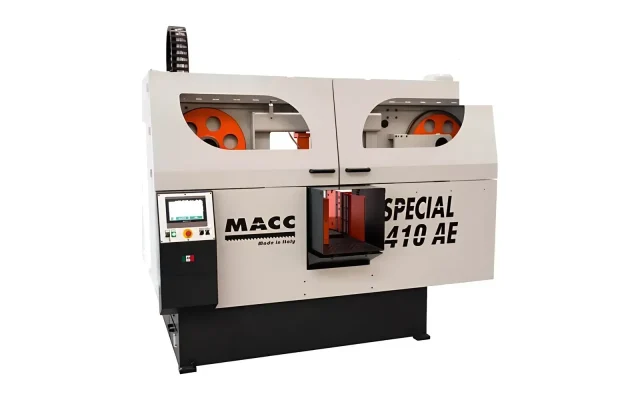
MACC
Special 410 AE
- Hierro / Inox
- Automática
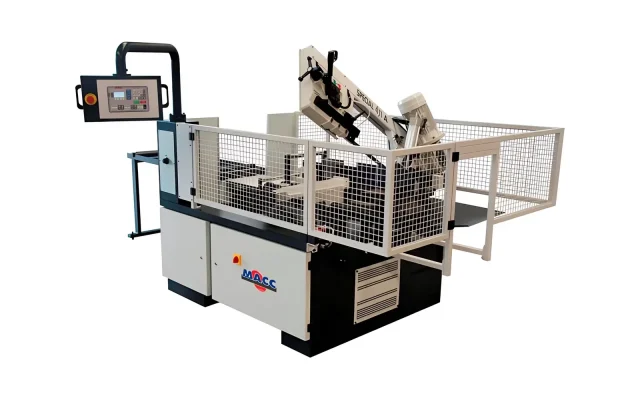
MACC
Special 411 A
- Hierro / Inox
- Automática
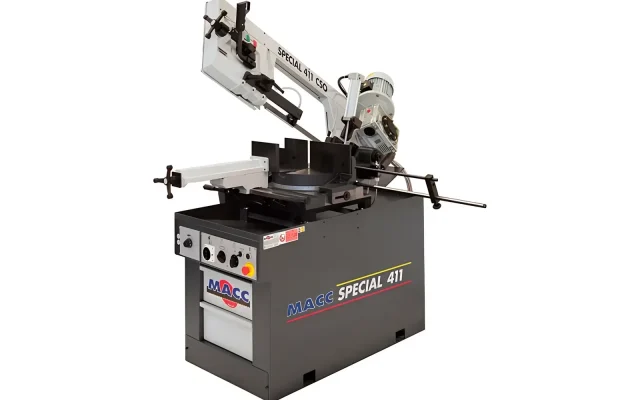
MACC
Special 411 CSO
- Basculante
- Hierro / Inox
- Manual
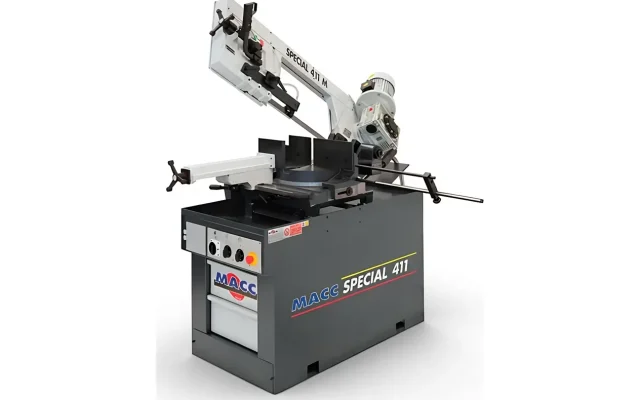
MACC
Special 411 M
- Bajada vertical
- Hierro / Inox
- Manual
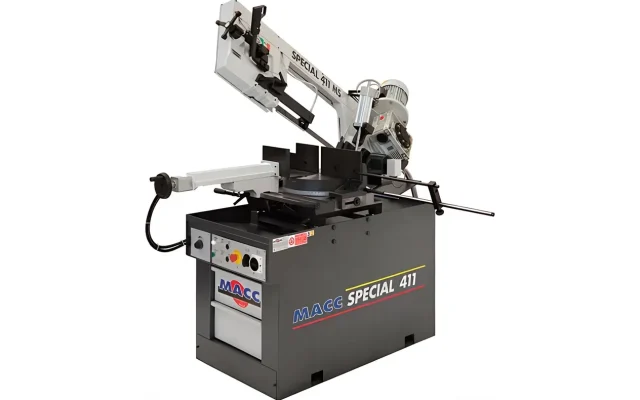
MACC
Special 411 M/S
- Hierro / Inox
- Semiautomática
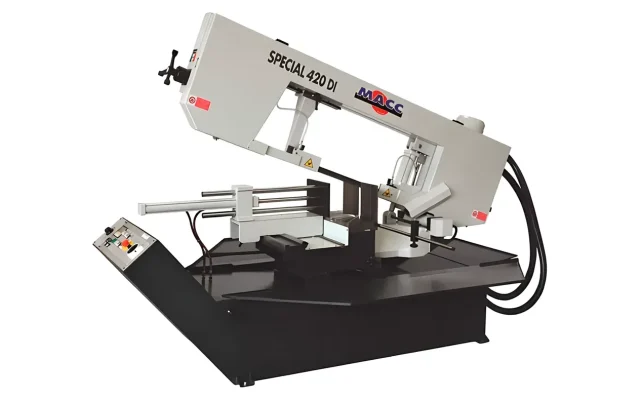
MACC
Special 420 DI
- Hierro / Inox
- Semiautomática
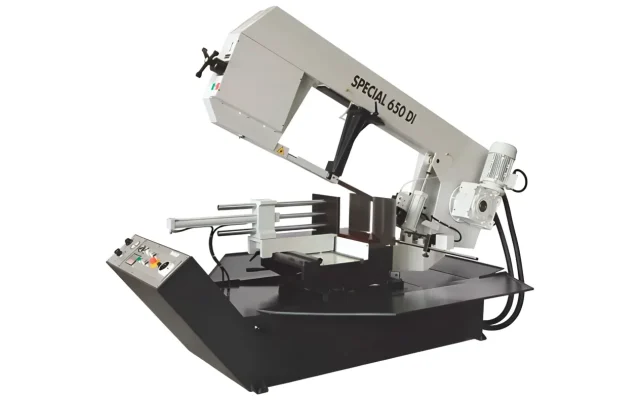
MACC
Special 650 DI
- Hierro / Inox
- Semiautomática
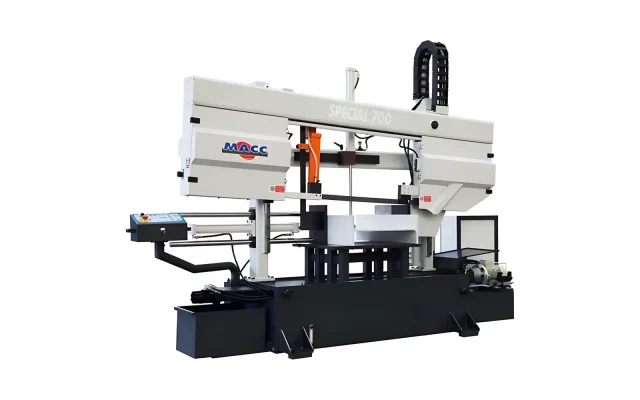
MACC
Special 700
- Hierro / Inox
- Semiautomática
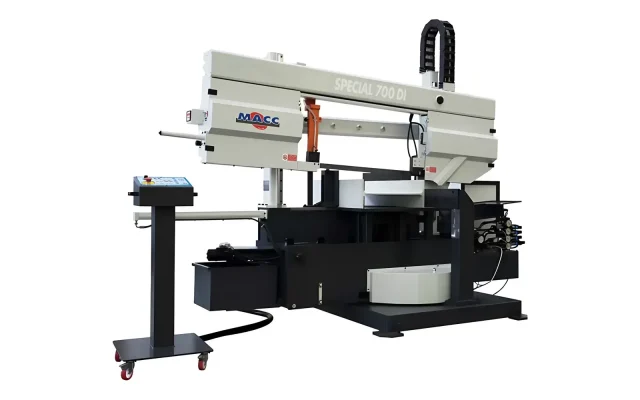
MACC
Special 700 DI
- Hierro / Inox
- Semiautomática
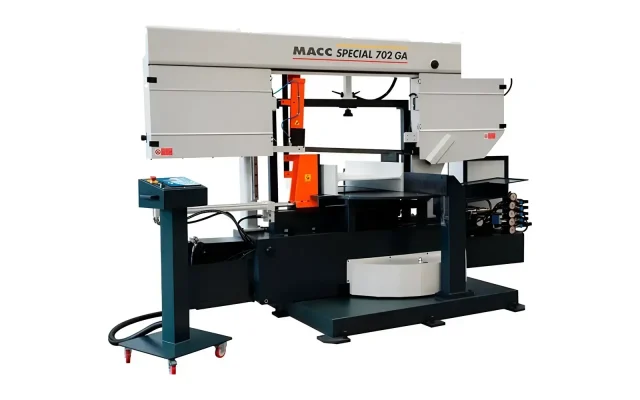
MACC
Special 702 GA
- Hierro / Inox
- Semiautomática
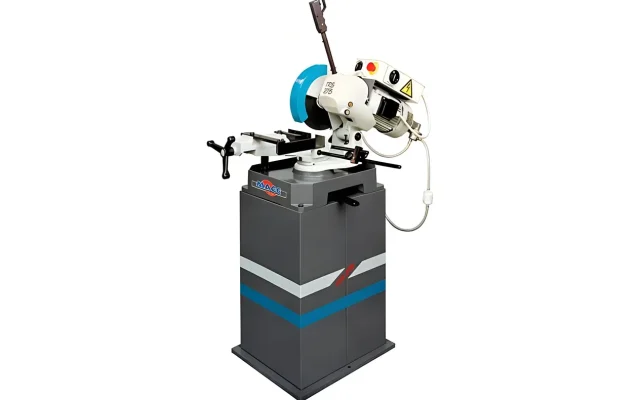
MACC
TRS 275
- Bajada vertical
- Hierro / Inox
- Manual
Cutting, bending and end forming. Plus the complementary operations of the line.
Deburring, roll forming, bundling and integrated automatic systems.
The starting point is the specific operation you need to invest in, not the model.
Which process do you need for your tube or profile?
Tube and structural profile go through different stations before becoming a finished part. The starting point for choosing a machine isn’t the model, but the specific operation in that chain you need to invest in, and whether that operation will work as a standalone station or integrated with the rest of the production line.
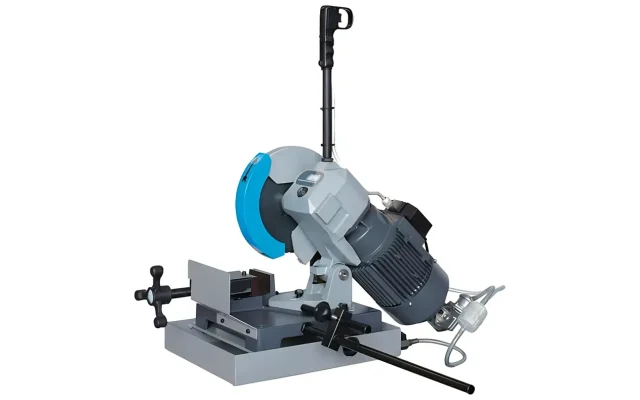
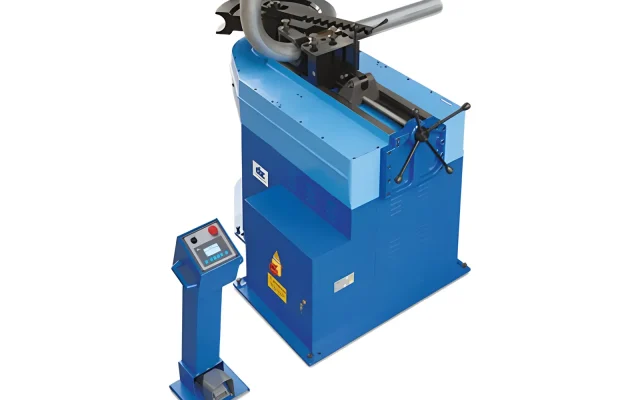
Cutting, bending or end forming
These are the three most common processes at the start or middle of the line. Cutting reduces the bar to the part’s length; bending shapes the geometry; end forming prepares the tube end for a later welded, threaded or flanged joint.
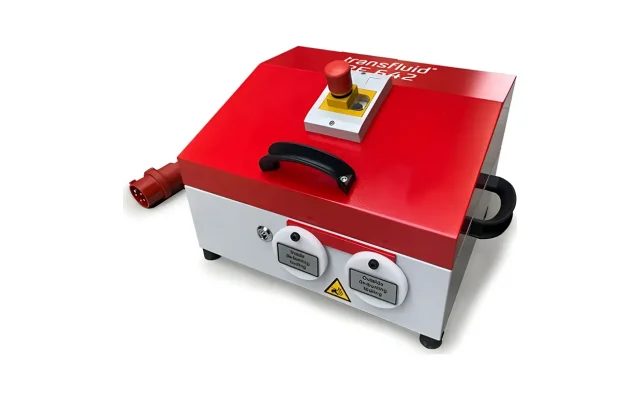
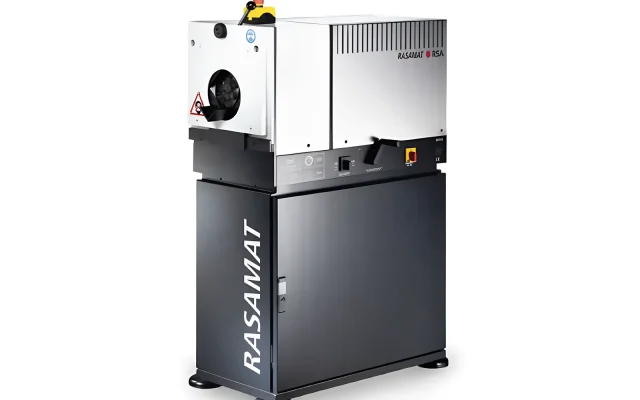
Deburring, roll forming and bundling
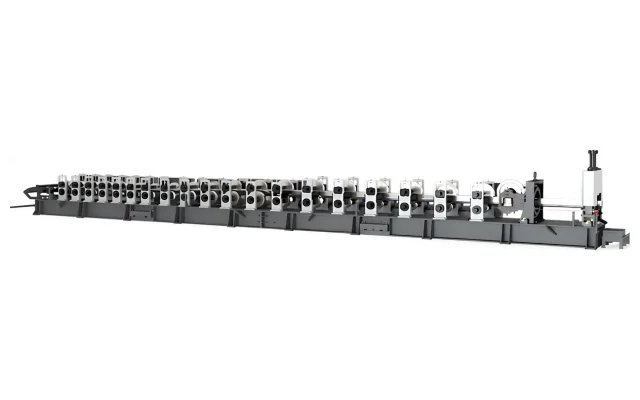
Alongside the main processes, the catalog includes complementary operations: deburring and beveling to prepare the end before welding, roll forming machines to shape profile continuously from coiled sheet, and bundling for the final stage before shipping.
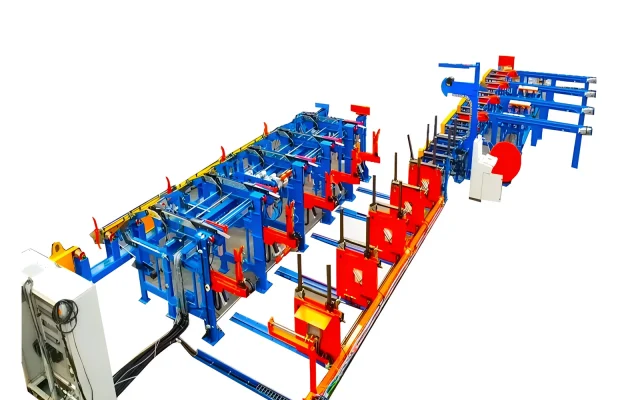
Standalone machines or an integrated line
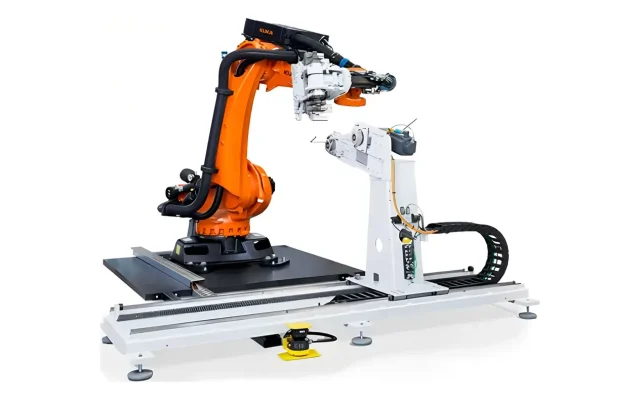
If your production is high and stable, it can pay off to integrate several processes into a single line with automatic systems, instead of keeping standalone stations that an operator loads and unloads separately between one operation and the next. If your volume is variable or combines many part references, standalone machines from each family tend to offer more room to adapt.
Related searches iron / stainless steel · macc · manual · automatic · transfluid · semi-automatic · tube and profile cutting · tube and profile bending · end forming · deburring and beveling
Official distributors of the brands that set the standard in the industry.