
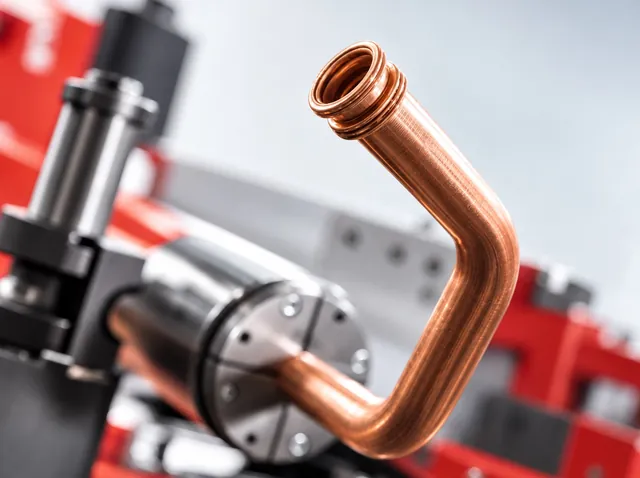
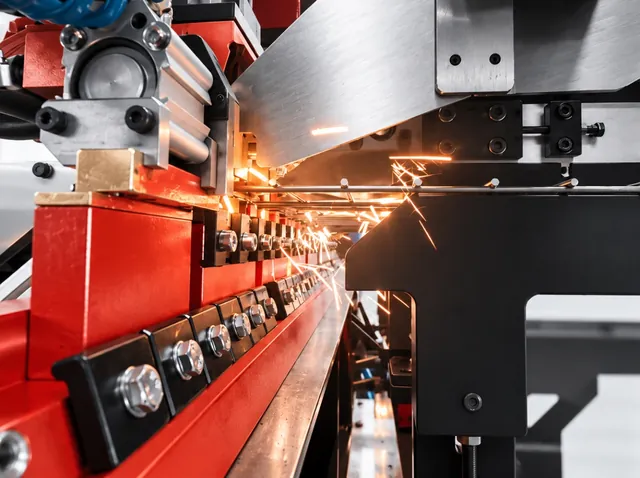
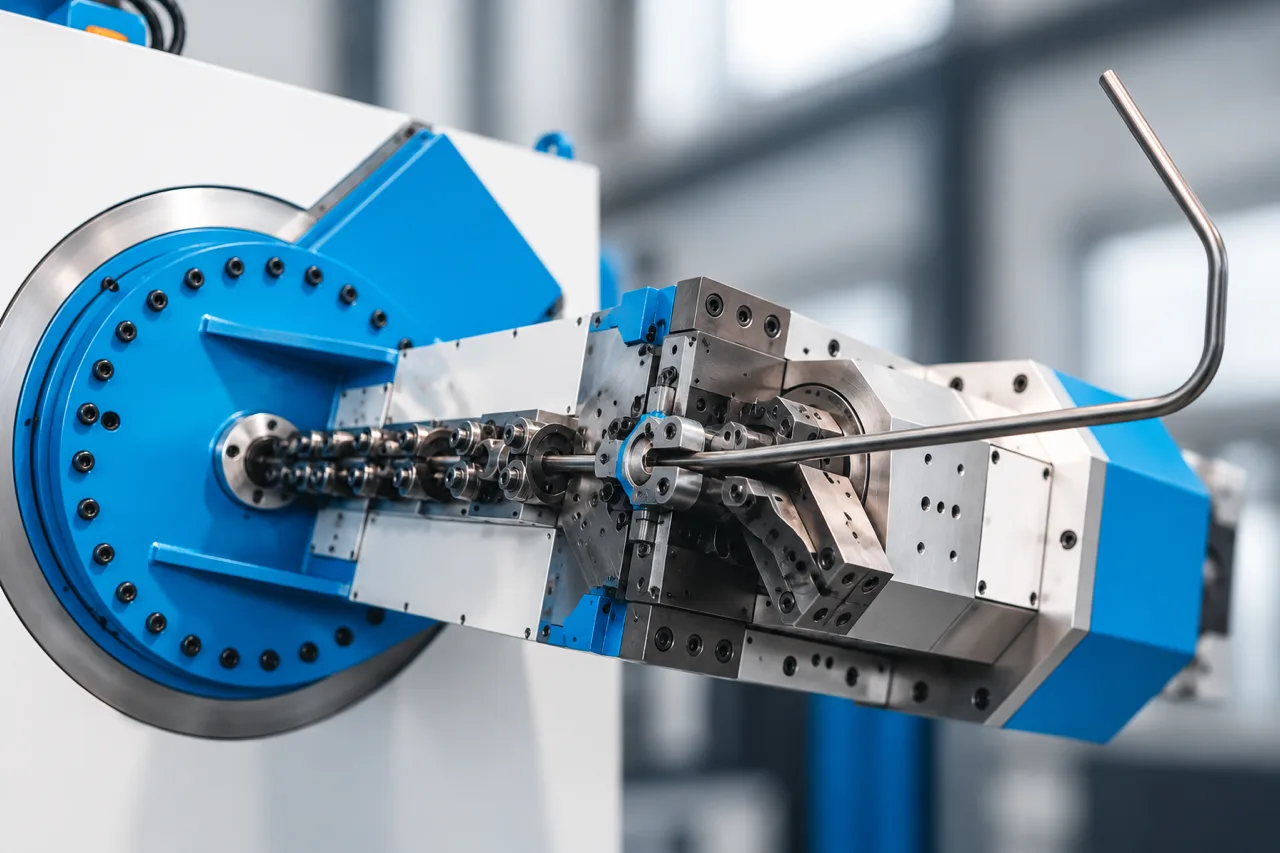
Axial, rotary and combined end forming machines to prepare the tube before welding or assembly.
TRANSFLUID
Transfluid Tube Preparation and Assembly Equipment
- Combi
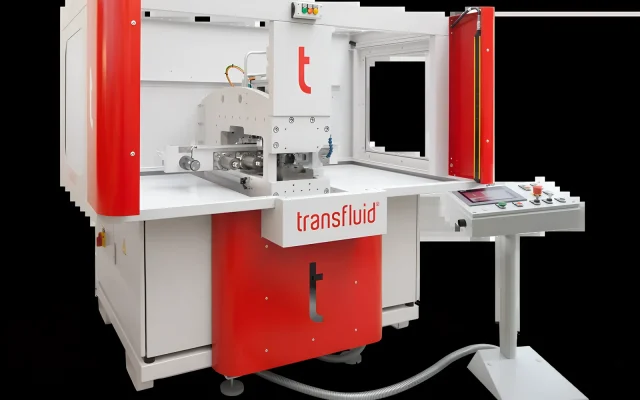
TRANSFLUID
Boostline t Form Axial End Forming Machines
Axial tube end forming machine with axial upsetting technology, servo-electric drives and multi-stage system for complex geometries.
- Axial
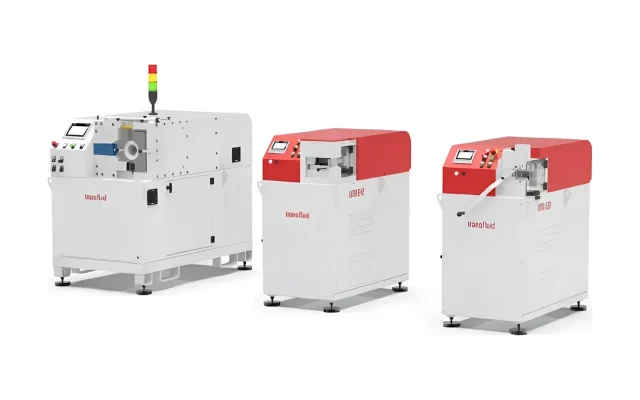
TRANSFLUID
URM Transfluid t Form Flareline End Forming Machines
Tube end forming machine for rotary end forming with high-quality sealing surfaces and fully leak-tight connections.
- Rotativo
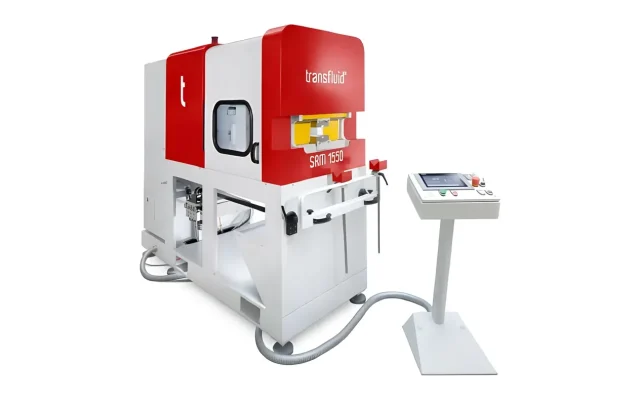
TRANSFLUID
SRM t Form Multiline Transfluid End Forming Machines
Tube end forming machine for rotary end forming with high precision and excellent surface quality.
- Rotativo
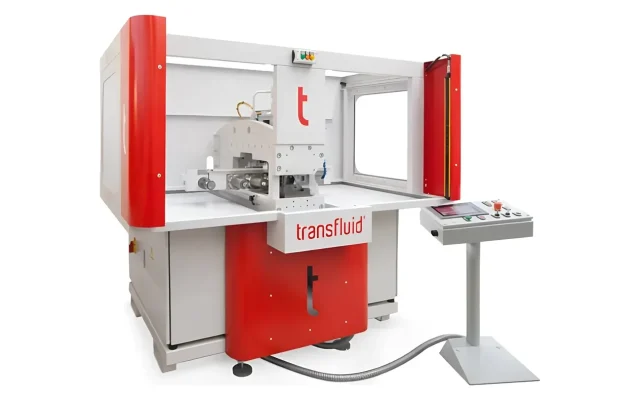
TRANSFLUID
Axial End Forming Machines
Axial tube end forming machine with axial upsetting technology, servo-electric drives and multi-stage system for complex geometries.
- Axial
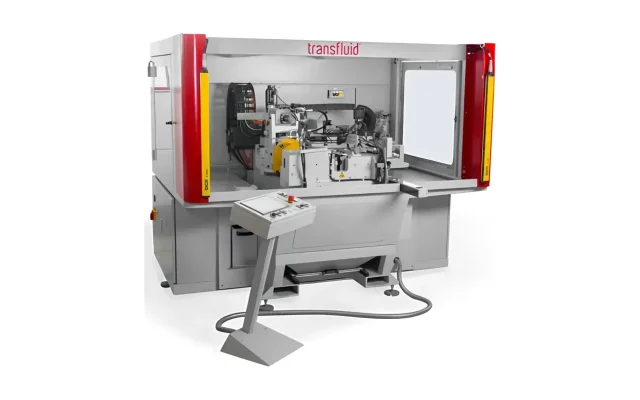
TRANSFLUID
Combined End Forming Machines Transfluid
Combined machine for axial and rotary tube end forming with servo drives and multiple processes integrated in a single clamping operation.
- Combi
Axial, rotary and combi end forming. Depending on the operation you need to solve.
Axial, rotary or combi, to reduce, expand or flare the tube.
If your part requires several operations on the same end, prioritize a combi machine.
Which end forming machine do you need?
End forming is chosen based on the type of operation you need on the tube end and the number of steps you want to solve on a single machine. These are the key points for narrowing your search within this family.
Axial, rotary or combi
- Axial: the tool works in line with the tube’s axis. It’s the simplest option for straightforward reductions and expansions. View axial machines
- Rotary: forming is done by rollers that rotate around the end, with less stress on the material for more complex geometries. View rotary machines
- Combi: combines both principles on the same machine to widen the range of operations without changing equipment. View combi machines
How many stations you need
If your part requires several operations on the same end — for example, a reduction followed by a flare — it’s worth prioritizing a multi-station machine over single-operation machines, especially if you work high volumes per shift and don’t want to reposition the part between steps.
End forming or deburring?
If what you need is to remove burrs or bevel the end before welding, rather than reduce or expand the diameter, the right family is deburring and beveling. Both processes are often combined on the same line, right after cutting.
Related searches axial · combi · rotary · tube and profile cutting · tube and profile bending · deburring and beveling
Official distributors of the brands that set the standard in the industry.