
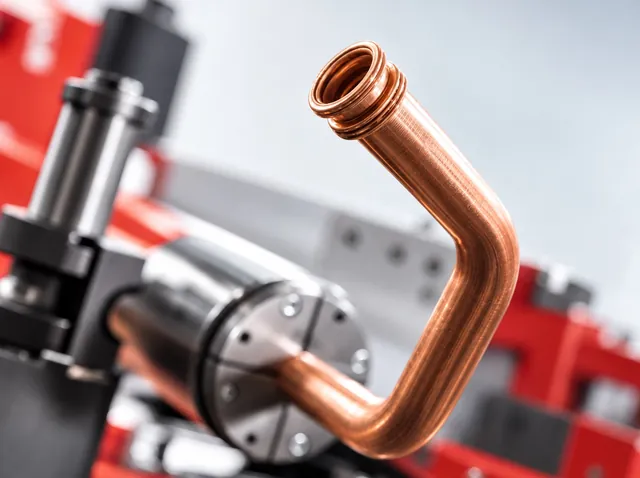
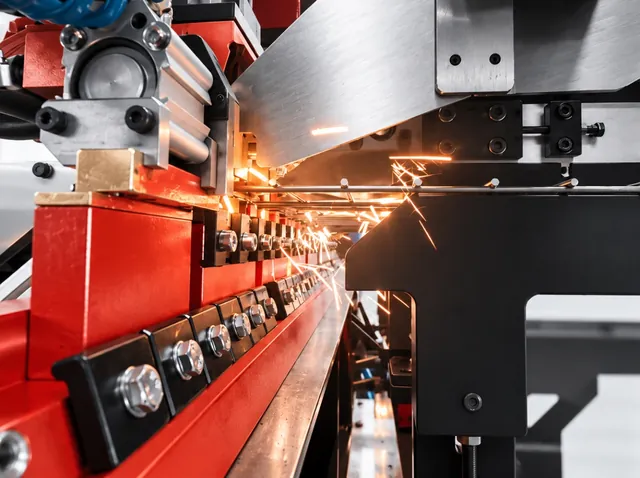
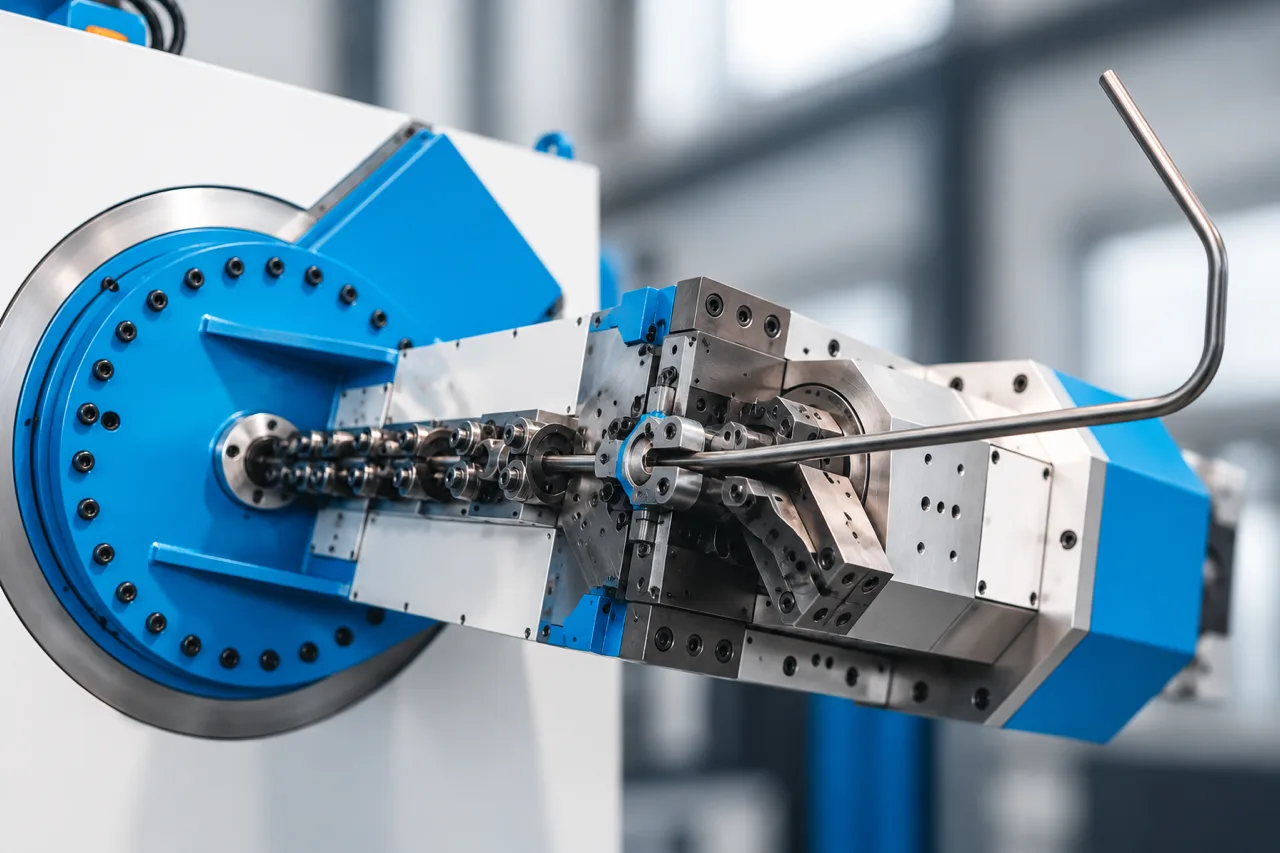
Mandrel bending machines for tight radii and thin-wall tube, in electromechanical and hydraulic versions.
No machines match all the selected filters. Clear the filters or tell us what you need and we'll find it for you.
Bending with an internal mandrel. For tight radii and thin-wall tube.
Electromechanical and hydraulic, depending on the force your material requires.
Mandrel wear affects bend precision from day one.
Which mandrel bending machine do you need?
Mandrel bending introduces a mandrel inside the tube during the bend, preventing the wall from ovalizing or wrinkling in the bend area. It’s the reference technology for tight radii and thin-wall tube, where the material has less inherent resistance to keeping its cross-section during the bending process.
Electromechanical or hydraulic
- Electromechanical: precision and repeatability on medium-section tube, with contained energy consumption. View electromechanical machines
- Hydraulic: more bending force, suited for thicker-wall tube or harder materials. View hydraulic machines
The mandrel, the critical part
Mandrel wear is progressive and directly affects bend quality. It’s worth confirming the specific brand’s spare parts availability before deciding, especially if you work with materials such as stainless steel, common in industrial plumbing, which requires specific tooling compared to carbon steel. Confirming mandrel spare parts availability avoids extended downtime later on.
Mandrel or mandrel-less?
If the radius you need is wide and the tube isn’t at risk of ovalizing, mandrel-less bending simplifies the process and reduces the tooling you have to maintain over time, by doing away entirely with the internal mandrel.
Related searches transfluid · cnc · electromechanical · hydraulic · cbc · 3-roll bending machines · mandrel-less bending machines (cbc) · multi-radius bending machines
Official distributors of the brands that set the standard in the industry.